

A Normal Family. A Normal Day. Then the Power Goes Out.
It’s a regular day. Dinner is half planned. Phones are charged. The kids are home.
Then the lights flicker—and stay off.
No explosion. No storm sirens. No warning.
Just silence where the hum of electricity used to be.
Power outages are one of the most common disruptions families experience, yet most people don’t think through what actually happens beyond the first few hours. This isn’t a worst-case scenario. This is a calm, realistic walk-through of what many families experience during a 72-hour blackout—whether you live in a house or an apartment.
Hours 0–6: Confusion, Checking Phones, “It’ll Be Back Soon”
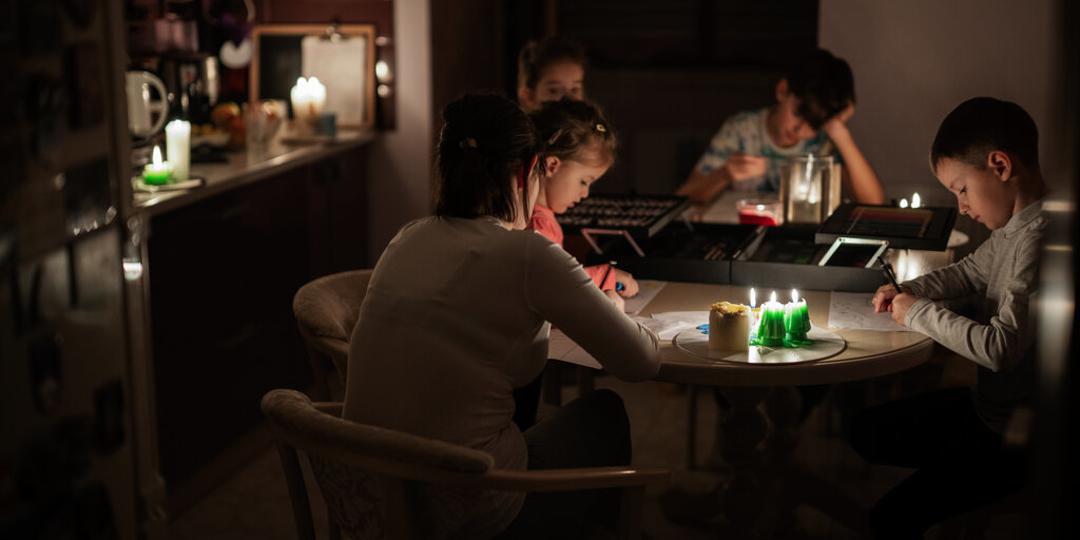


The lights go out. Someone checks the breaker. Phones come out immediately.
At first, things feel manageable.
- Cell service still works
- Group texts and social media confirm it’s not just your place
- Everyone assumes the power will be back soon
Dinner plans don’t change much yet. Refrigerators stay closed “just in case.” Kids are curious, not worried.
As evening approaches, the first quiet friction appears:
- Apartment hallways are dark
- Elevators stop working
- There’s no overhead lighting once the sun sets
Nothing feels dangerous—but everything feels slightly harder.
What this stage teaches:
Preparedness starts ::contentReference[oaicite:0]{index=0}
Hours 6–12: Night Falls, and the Inconvenience Sets In


Once it’s dark, the outage feels different.
Phones start dropping below 50%. People become aware of battery life for the first time. Someone finds a flashlight—or a candle.
This is when many families improvise:
- Candles on tables
- Phone flashlights used for everything
- Everyone going to bed earlier than usual
Kids aren’t scared, but they’re restless. Parents are already tired from problem-solving all evening.
What this stage teaches:
Safe, reliable lighting reduces stress far more than people expect.
Hours 12–24: The First Real Decisions


Morning arrives—and the power is still out.
Food reality
Breakfast is cold. Coffee becomes a problem. Families start asking:
- What can we eat without cooking?
- How long should we save what’s in the fridge?
- Are we opening it too often?
Meals become simpler and smaller, sometimes without realizing it.
Communication reality
Phones still work—but slower. Cell towers are congested. Internet-dependent routines disappear:
- No streaming
- No online homework
- No easy distraction
Emotional reality
Kids are bored. Parents are mentally juggling everything. The house feels smaller.
What this stage teaches:
Shelf-stable food and access to information aren’t luxuries—they remove daily decision stress.
Hours 24–48: The Fatigue Phase


This is where most people have never thought ahead.
The novelty is gone. The inconvenience is constant.
Water & hygiene
Depending on your building:
- Hot water may be gone
- Showers are skipped
- Handwashing becomes intentional
- Trash starts to smell
In apartments, shared infrastructure becomes a concern. Elevators still don’t work. Common areas are dark.
Morale
Nobody is panicking—but everyone is worn down.
- Tempers are shorter
- Kids are emotional
- Parents are mentally exhausted
The stress isn’t dramatic. It’s cumulative.
What this stage teaches:
Hygiene and water management directly affect morale.
Hours 48–72: Adaptation, Not Panic

By now, families adapt.
Routines form:
- Meals at set times
- Limited phone use
- Designated lighting areas at night
What helps most isn’t extreme gear—it’s stability:
- Clean water
- Light after sunset
- Basic hygiene
- Predictable structure
Families who prepared a few basics experience this phase very differently than those improvising everything.
What this stage teaches:
Preparedness isn’t about surviving—it’s about reducing friction.
Why Most People Don’t Think About This
Power outages aren’t dramatic enough to trigger fear—but they’re disruptive enough to strain families.
Preparedness content often skips this reality. It jumps straight to gear without explaining why it matters in normal life.
But families don’t need extremes. They need:
The Quiet Truth About Preparedness
Preparedness doesn’t prevent outages.
It prevents unnecessary stress.
Most families already handle more than they realize. A little planning simply makes those days easier to live through—whether you’re in a house or an apartment.
Preparedness isn’t about expecting the worst.
It’s about making normal disruptions more manageable.
Situations like this highlight why power and lighting preparedness matter. Understanding how to maintain visibility and basic function during an outage can make a meaningful difference in how calmly a household responds. You can explore this topic further in our Power & Lighting Preparedness guide.
Power outages are only one part of overall readiness. For a broader view of how power, water, communications, and medical planning work together, visit our Preparedness Hub.
For families looking to build calm, practical readiness, explore preparedness resources at BasicSurvivalGear.com.
