

From Silver to Sanctions: Practical Preparedness Lessons from Global Instability in 2026
The world does not need to be “in crisis” for preparedness to matter. History shows that everyday access to essentials—food, fuel, power, and financial stability—often becomes strained during periods of global uncertainty long before headlines use the word emergency.
In 2026, several global trends are drawing attention: rising interest in precious metals, sanctions and geopolitical tensions, currency pressures, and ongoing supply-chain disruptions. Rather than focusing on predictions or panic, this article looks at what these trends teach us about preparedness—and how families can responsibly reduce dependence during uncertain times.
Preparedness is not about expecting the worst. It is about maintaining stability when conditions change.
1. Silver and the Return of Tangible Value

Periods of economic uncertainty often revive interest in tangible assets. Silver, in particular, has historically served as a store of value during inflationary or currency-unstable environments. Unlike purely digital assets, silver is physical, divisible, and widely recognized across cultures.
This does not mean families need to speculate on metals. The preparedness lesson is simpler:
Systems change. Tangible items retain utility.
From a preparedness standpoint, silver highlights a broader principle: diversification away from single points of failure. When purchasing power fluctuates or financial systems tighten, households that rely solely on one system tend to feel the impact first.
Preparedness takeaway
- Tangible goods—tools, supplies, durable equipment—retain usefulness regardless of market conditions.
- Preparedness prioritizes utility over speculation.
2. Sanctions, Energy Pressure, and Supply-Chain Reality
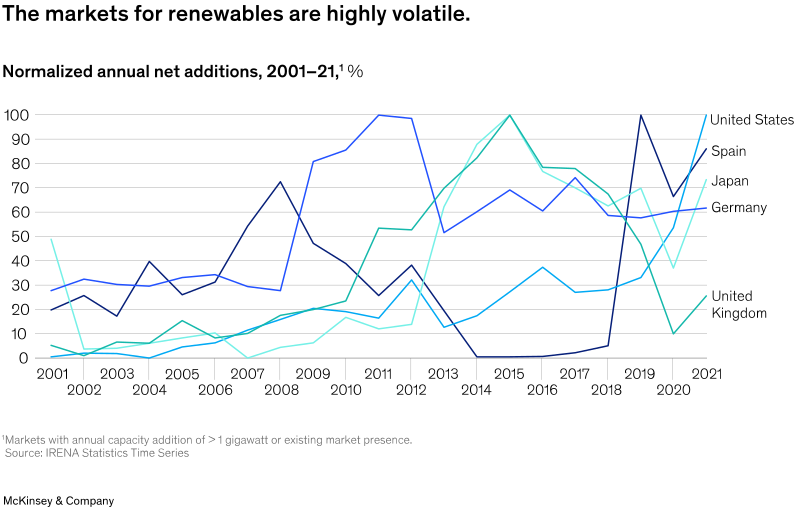
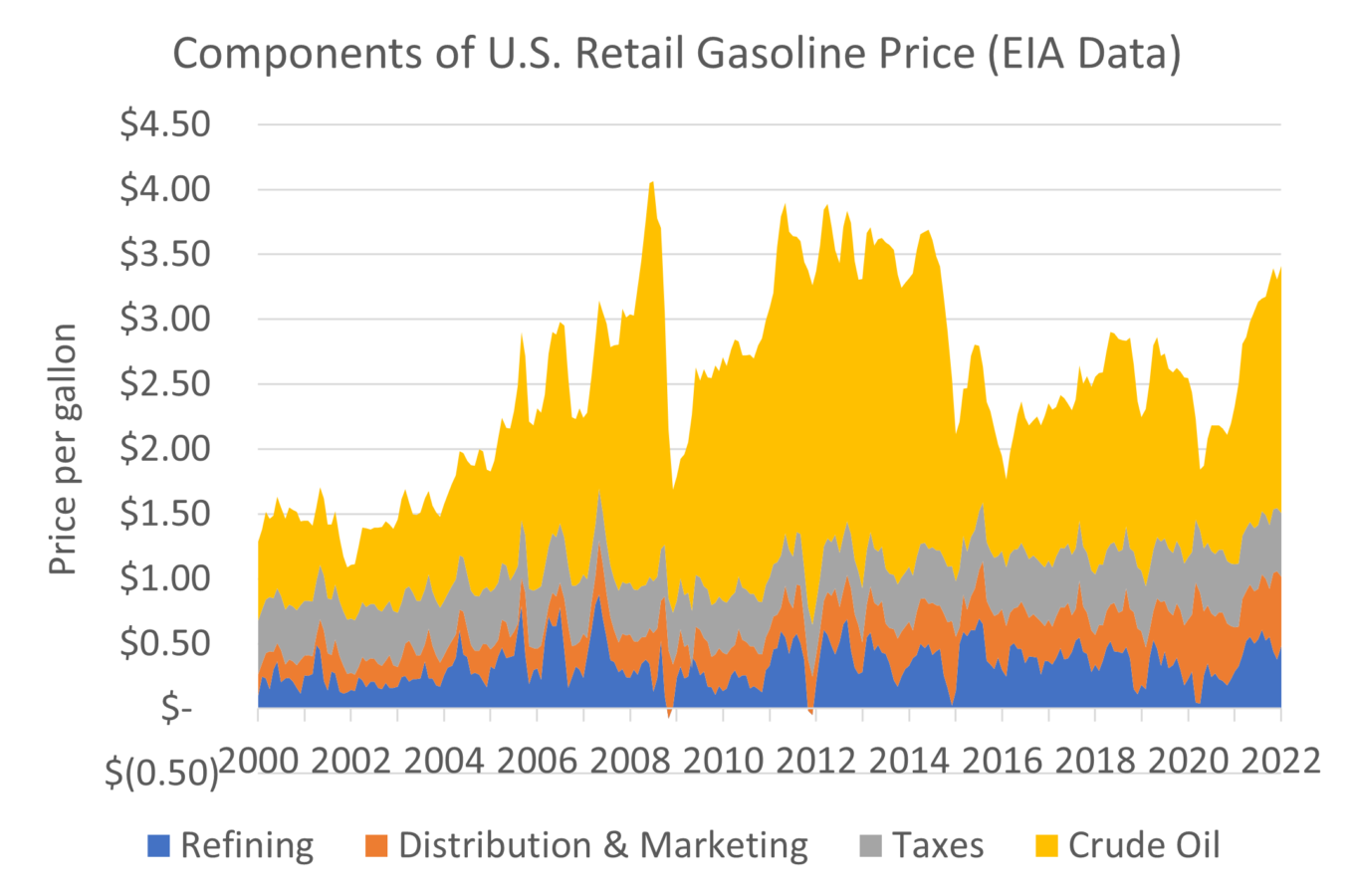
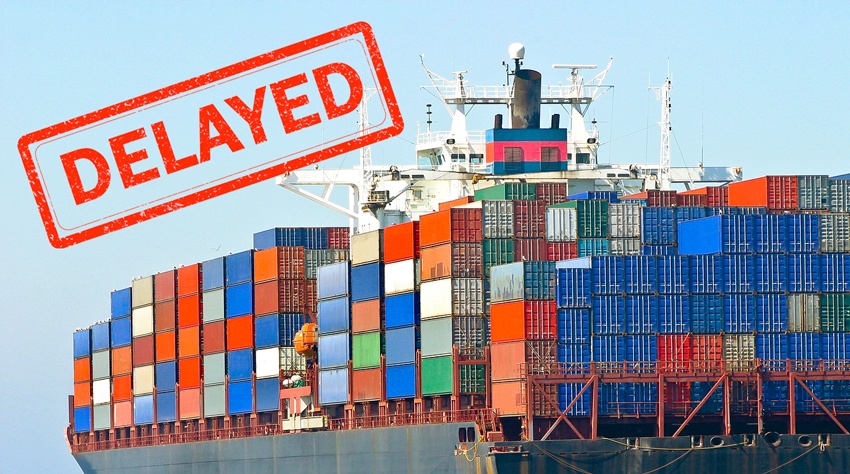
International sanctions and regional conflicts rarely stay local. Events involving countries such as Venezuela remind us that energy markets, shipping routes, and commodity pricing are globally interconnected.
When energy supply tightens, households often experience:
- Higher fuel and utility costs
- Transportation delays
- Reduced availability of everyday goods
These impacts usually arrive before any official emergency declarations.
Preparedness takeaway
- Short-term self-reliance reduces exposure to supply disruptions.
- Backup power and lighting are preparedness staples—not luxuries.
This is why many prepared households prioritize non-grid-dependent tools and simple redundancy rather than complex systems.
3. Currency Pressure and Purchasing Power


Currency pressure is not an abstract concept—it shows up at grocery stores, gas stations, and utility bills. While the United States dollar remains globally influential, history shows that inflation and purchasing-power erosion are recurring realities across all economies.
Preparedness does not require predicting currency outcomes. Instead, it emphasizes front-loading essentials when prices are stable and availability is reliable.
Preparedness takeaway
- Supplies purchased today reduce exposure to future price increases.
- Food, water, and medical basics act as practical “inflation buffers.”
Prepared families focus less on financial speculation and more on meeting needs regardless of economic conditions.
4. Industrial Metals, Technology, and Resource Strain

Beyond precious metals, industrial materials such as copper and aluminum are experiencing increased demand due to infrastructure expansion, renewable energy, and data-center growth. These trends place pressure on manufacturing and transportation systems.
At the household level, this often results in:
- Higher equipment and tool costs
- Longer replacement timelines
- Increased repair expenses
Preparedness takeaway
- Maintain essential gear rather than relying on fast replacement.
- Redundancy and repairability matter during resource-tight cycles.
Preparedness often means maintaining what you already own—lighting, radios, tools, and safety equipment—so supply disruptions have less impact.
5. Core Preparedness Priorities for Uncertain Times
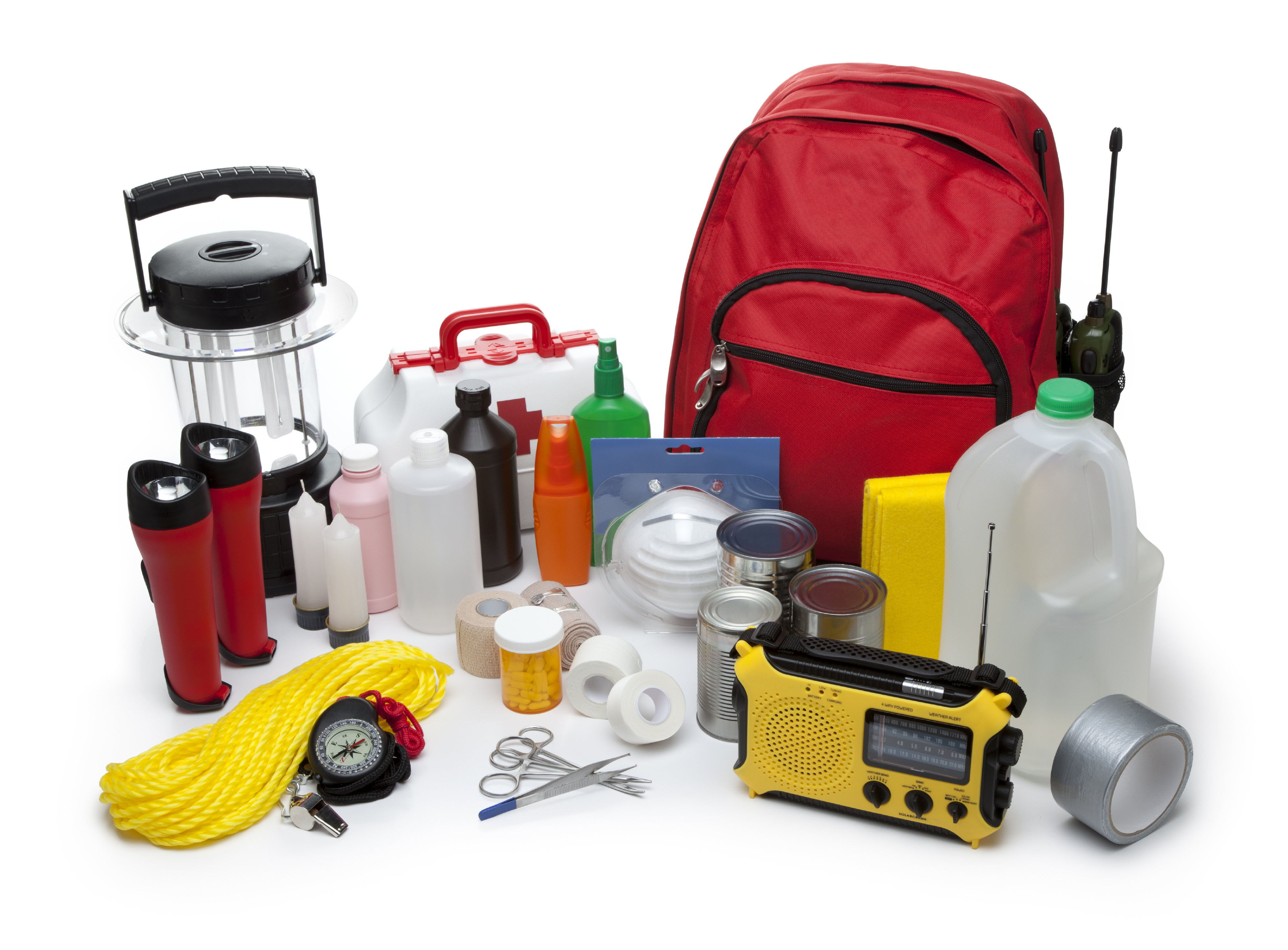
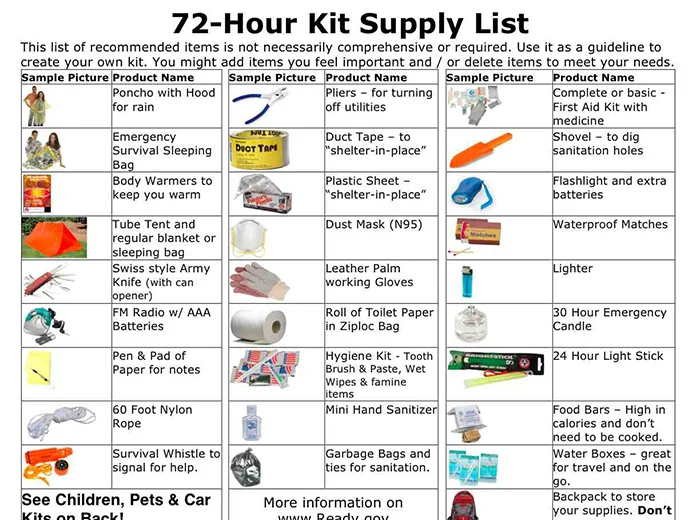

Across history, global instability has shared common household-level effects: supply delays, price volatility, energy disruptions, and reduced system reliability. Prepared families do not attempt to time events—they focus on fundamentals that remain relevant regardless of headlines.
The Five Core Preparedness Priorities
1. Water
Clean water is non-negotiable. Storage and filtration reduce immediate dependence on infrastructure.
→ Explore Water Filtration & Storage:
https://www.basicsurvivalgear.com/collections/water-filtration
2. Food
Shelf-stable food provides security during price spikes and supply interruptions.
→ View Food Storage & Emergency Nutrition:
https://www.basicsurvivalgear.com/collections/food-storage
3. Power & Light
When energy costs rise or outages occur, non-grid power becomes essential.
→ Browse Power & Lighting Solutions:
https://www.basicsurvivalgear.com/collections/power-lighting
4. Communication
Access to weather alerts and emergency information reduces uncertainty.
→ See Emergency Radios & Communication Gear:
https://www.basicsurvivalgear.com/collections/emergency-radios
5. Medical Basics
Prepared households plan for minor injuries and short-term care needs.
→ Explore First Aid & Medical Supplies:
https://www.basicsurvivalgear.com/collections/first-aid-medical
These categories form the foundation of responsible preparedness.
Preparedness Is About Reducing Dependence—Not Fear
Preparedness is often misunderstood as pessimism. In reality, it is a form of quiet risk management practiced by families who value stability.
Global events will continue to evolve. Some will fade, others will escalate, and new challenges will emerge. What remains constant is this truth:
The more self-reliant a household is, the less disruptive uncertainty becomes.
Preparedness does not require drastic changes. It begins with practical steps—building redundancy, planning ahead, and ensuring access to essentials when systems are strained.
For families seeking calm, responsible preparedness resources, explore BasicSurvivalGear.com.
