

EMP Events Explained: What They Are, What They Aren’t, and How Families Can Prepare Calmly
Introduction – Why EMP Awareness Comes Up
Every few years, the term electromagnetic pulse (EMP) surfaces in headlines, documentaries, or online discussions. It may follow news about solar activity, infrastructure resilience, or historical nuclear testing. Because EMPs involve space weather and advanced physics, they are often misunderstood—and sometimes exaggerated.
This article is written for normal families, educators, journalists, and preparedness-curious readers who want accurate information without alarmism. The goal is simple: explain what EMPs are, what they are not, review documented events, and outline practical preparedness that overlaps with ordinary blackout planning.
EMP awareness is not about predicting disasters. It is about understanding how modern life depends on electricity—and how to remain steady when that system is disrupted.
What an EMP Actually Is (Plain English)
An electromagnetic pulse is a burst of electromagnetic energy that can interfere with electrical systems.
There are both natural and man-made ways EMPs can occur:
Natural EMP Events (Solar Storms)
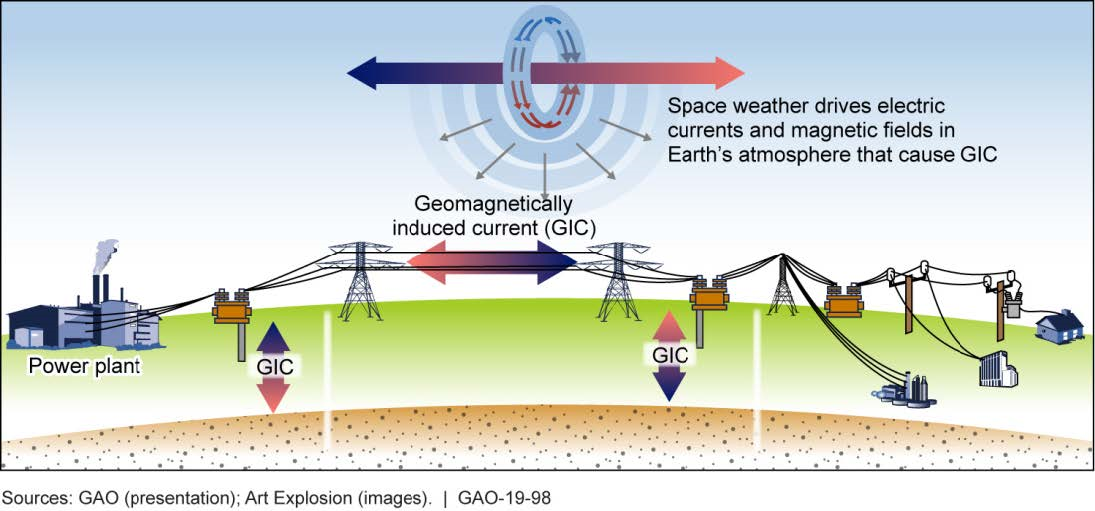
Solar flares and coronal mass ejections (CMEs) periodically eject clouds of charged particles into space. When these particles interact with Earth’s magnetic field, they can create geomagnetic storms. These storms induce electrical currents in long conductors such as power lines and pipelines.
The result can be:
- Overloaded transformers
- Tripped circuit breakers
- Regional power outages
These effects tend to develop over hours, not seconds, and utilities often receive advance warnings.

High-Altitude Nuclear EMP (Historical Context)
A nuclear detonation high above Earth can generate an EMP when gamma radiation interacts with the atmosphere, creating a rapidly changing electromagnetic field. This type of EMP can couple into long transmission lines and damage unprotected infrastructure.
Importantly:
- EMP energy is not radioactive
- It does not harm people directly
- The primary risk is to electronics and power systems
Ground-level detonations primarily cause blast damage; EMP effects at that level are limited in range.
Localized Electrical Surges
Smaller electromagnetic surges can occur from industrial accidents or specialized devices. These effects are localized, not nationwide.
What EMPs Are NOT – Critical Myths Debunked
Misunderstanding EMPs leads to unnecessary fear and poor preparation. Let’s address the most common myths directly.
Myth: An EMP equals instant apocalypse
Reality: Documented EMP-related events caused disruptions—not societal collapse.
Myth: An EMP guarantees nationwide grid failure
Reality: Impact depends on many variables, including infrastructure design and protection. Historical outages were temporary.
Myth: All electronics will be destroyed
Reality: EMP effects are strongest in long conductors like power lines. Small, unplugged devices often survive.
Myth: All cars stop working
Reality: Studies and testing indicate many vehicles would remain operable. Solar storms do not produce the type of pulse that disables cars.
Myth: EMPs harm people directly
Reality: EMPs are electromagnetic, not biological hazards. Health risks come indirectly from loss of services—not the pulse itself.
This myth-busting clarity is one reason EMP education is increasingly referenced by educators and journalists.
Documented EMP-Related History (Facts Only)
The Carrington Event (1859)
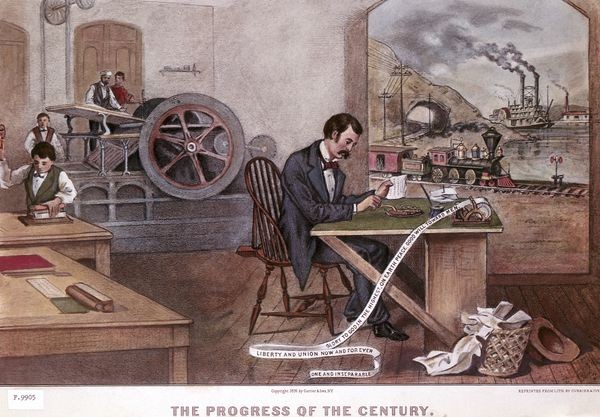
In 1859, a powerful solar storm caused auroras visible near the equator and disrupted telegraph systems across North America and Europe. Operators received shocks, and some equipment sparked or caught fire.
If an event of similar magnitude occurred today, it could affect satellites and power grids—but such storms are rare, occurring roughly once every several centuries.

Starfish Prime (1962)
A U.S. high-altitude nuclear test caused electrical disruptions in Hawaii, including failed streetlights and telephone issues. The power grid did not collapse nationwide, and service was restored.
This test demonstrated that high-altitude EMPs can affect systems far from the detonation—but impacts were localized and temporary.
The Quebec Blackout (1989)
A geomagnetic storm triggered by a solar event caused Hydro-Québec’s grid to shut down, leaving millions without power for about nine hours. Some transformers were damaged, but service was restored the same day.
This event is often cited as the most relevant real-world example of how space weather affects modern infrastructure.

What an EMP Would Mean for Normal Families
For households, EMP impacts resemble extended power outages, not cinematic disasters.
Likely effects include:
- Loss of grid power
- Limited communication
- Water and fuel disruptions
- Temporary supply shortages
Municipal water systems rely on electricity. Gas stations require power to pump fuel. Refrigeration failures affect food availability. These challenges are familiar to anyone who has experienced hurricanes, winter storms, or regional blackouts.
The key takeaway: EMP preparedness is blackout preparedness.
Practical, Calm Preparedness That Makes Sense Anyway
Preparedness should reduce stress, not introduce fear.
Like we say here at Basic Survival Gear, Be Prepared, Not Scared!
Focus on Essentials:
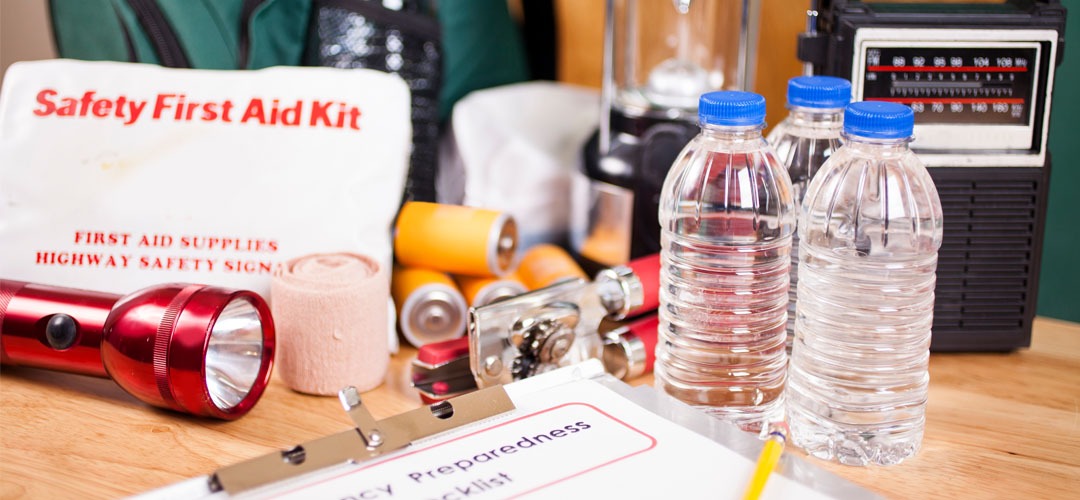
- Water: Stored water and simple filtration
- Food: Shelf-stable meals that require minimal preparation
- Lighting: LED lanterns, headlamps, rechargeable batteries
- Communication: Weather radios and basic emergency radios
- Medical basics: First aid supplies and essential medications
Prepared families emphasize redundancy and simplicity, not specialized gear.

Protecting a few critical electronics by storing backups in metal containers can add peace of mind—but trying to shield every device is unnecessary.
Common EMP Myths vs Reality (Quick Reference)
Myth: Faraday cages are mandatory
Reality: Simple shielding for critical backups is sufficient
Myth: EMPs permanently destroy the grid
Reality: Historical outages were temporary
Myth: EMPs cause direct health harm
Reality: Effects are indirect, through service disruption
This overlap with everyday preparedness is what makes EMP awareness practical—not extreme.
Why EMP Awareness Matters (Without Alarm)
EMP awareness helps families understand:
- How dependent daily life is on electricity
- Why redundancy matters
- How calm preparation increases resilience
Agencies monitor space weather, utilities invest in grid protection, and emergency planners train for outages. Household preparedness completes the picture.
Awareness does not mean expectation. It means understanding systems well enough to live comfortably when they pause.
Conclusion – Preparedness Without Panic
Electromagnetic pulses are not science fiction. They are a real physical phenomenon with documented history. They are also rare, manageable, and best addressed through ordinary preparedness.
Preparedness isn’t about expecting the worst.
It’s about reducing friction when normal systems pause.
By focusing on water, food, lighting, communication, and basic medical readiness, families are prepared not just for EMP-related disruptions—but for the most common emergencies they will ever face.
For calm, practical preparedness resources, explore BasicSurvivalGear.com, where readiness is about stability, not fear.
