

What’s in a Survival Tool Kit? A Practical Guide for Real Emergencies
A survival tool kit isn’t about extreme scenarios—it’s about being prepared for power outages, vehicle breakdowns, severe weather, and everyday emergencies. The best kits focus on practical tools that solve real problems, not gimmicks.
Below is a clear, field-tested breakdown of what belongs in a survival tool kit—and why each category matters.
Cutting & Repair Tools
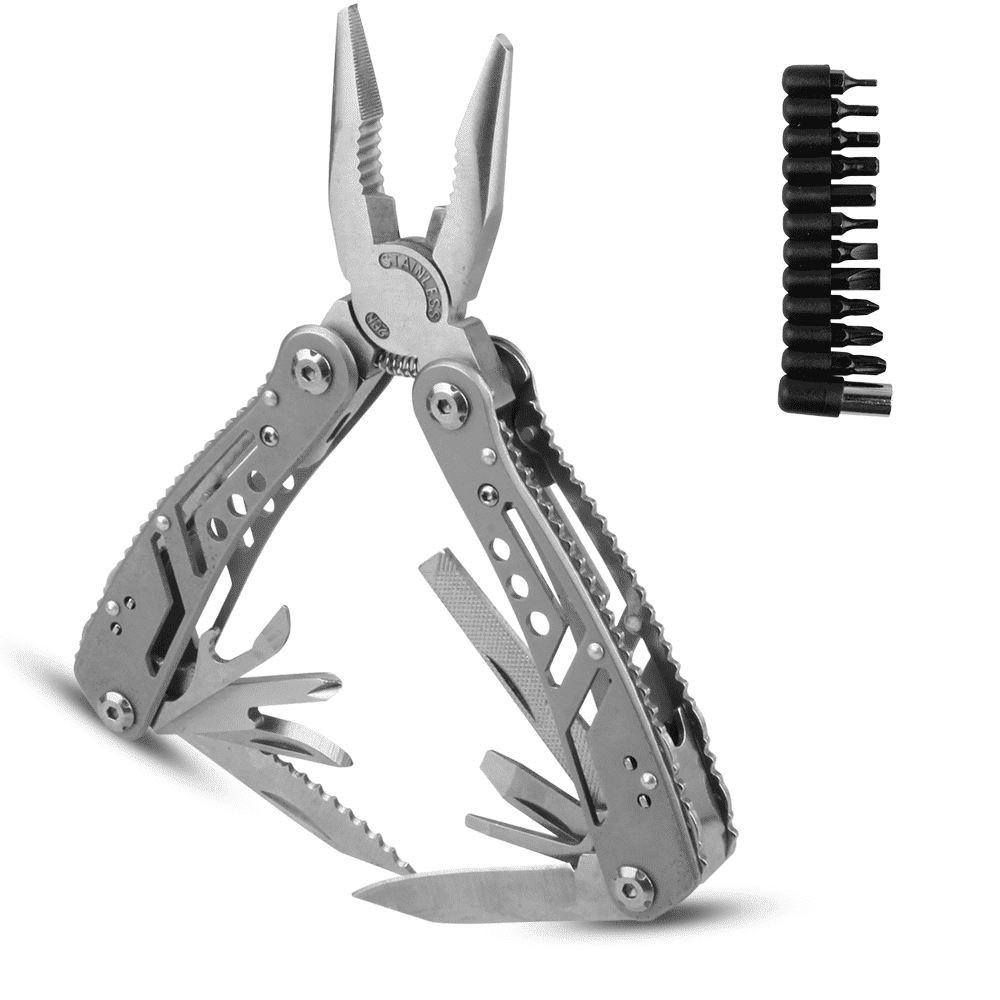
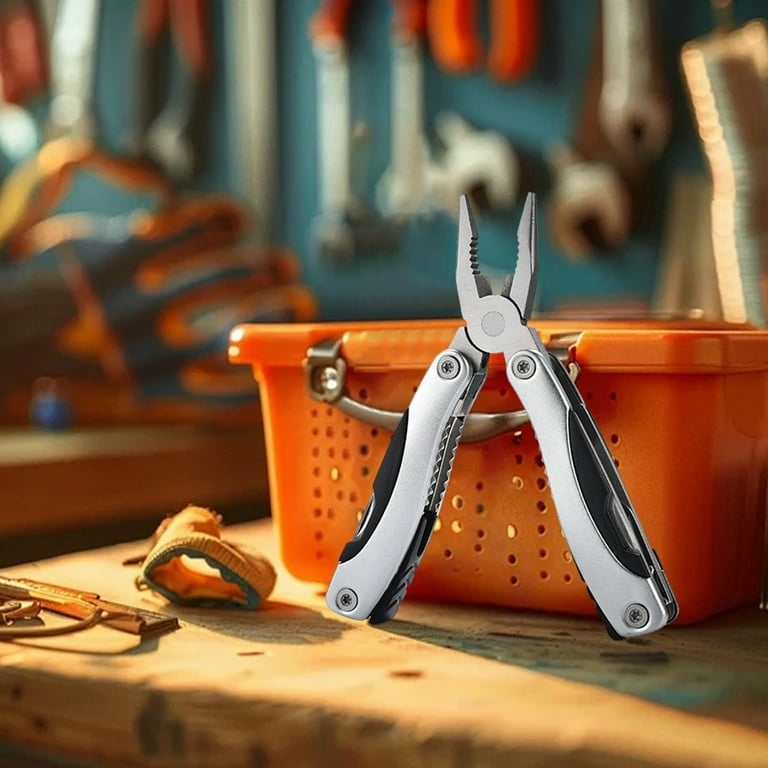

Cutting and repair tools are the foundation of any survival tool kit.
Essentials include:
-
A durable knife (fixed-blade or folding)
-
A reliable multi-tool
-
Repair materials like duct tape and cordage
These tools allow you to cut materials, repair gear, prepare food, and improvise solutions when equipment fails.
👉 Related gear:
🔗 https://www.basicsurvivalgear.com/collections/tools-accessories
Fire-Starting Tools


Fire provides warmth, light, water purification, and morale.
Reliable fire-starting options:
-
Windproof lighter
-
Waterproof matches
-
Ferro rod
-
Compact fire starters
Redundancy matters—carry at least two methods in case one fails.
👉 Related gear:
🔗 https://www.basicsurvivalgear.com/collections/fire-firestarters
Water & Purification Tools


Safe drinking water is critical.
A proper survival tool kit should include:
-
Portable water filter
-
Purification tablets
-
A metal container for boiling
Clear water is not always safe—purification tools protect against bacteria and parasites.
👉 Related gear:
🔗 https://www.basicsurvivalgear.com/collections/water-and-filtration
Lighting & Power
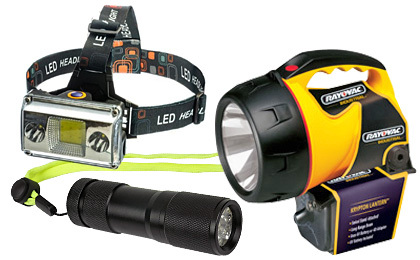

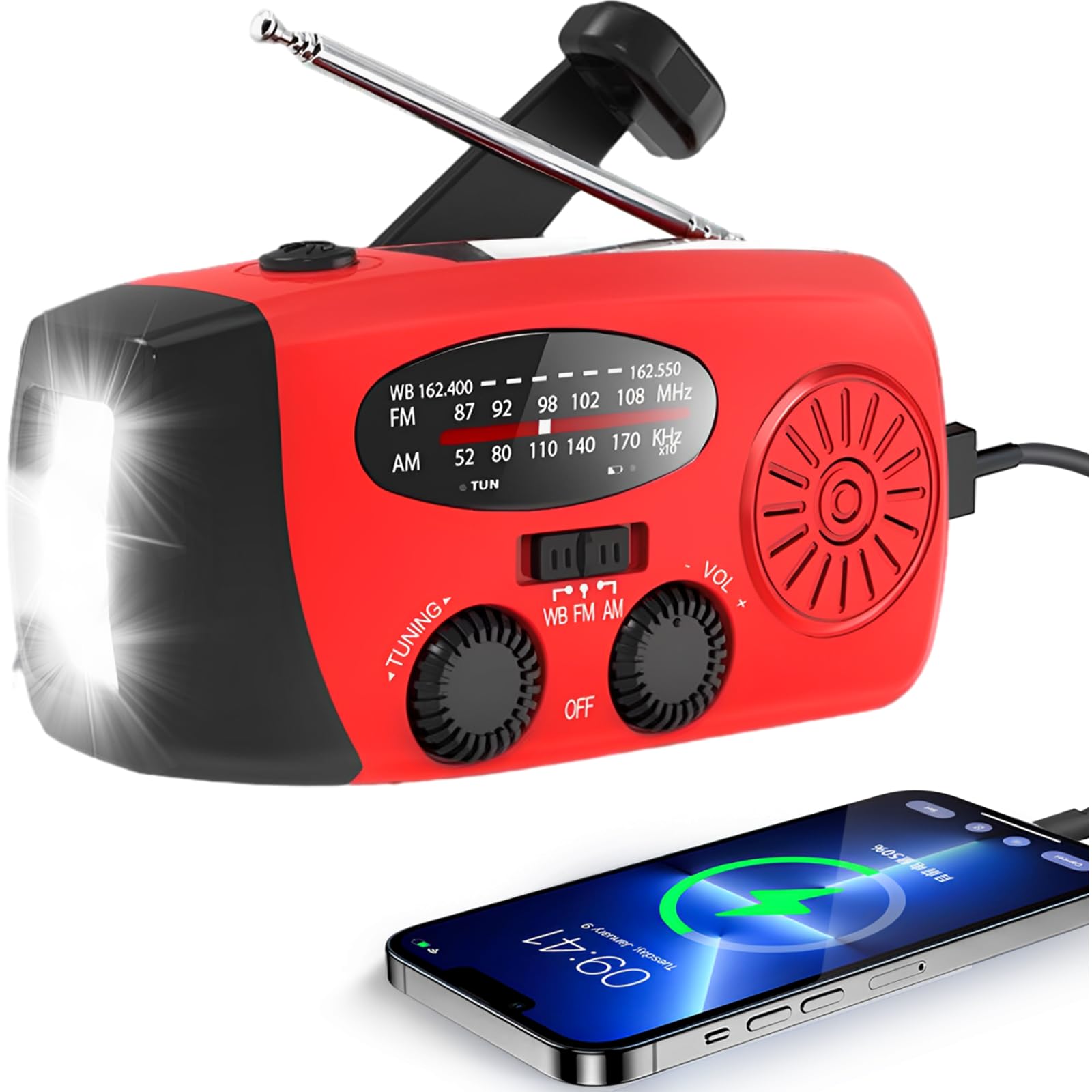
Lighting improves safety and efficiency during emergencies.
Key tools include:
-
Flashlight or headlamp
-
Extra batteries or rechargeable power
-
Solar or hand-crank charging options
Hands-free lighting is especially valuable for repairs and first aid.
👉 Related gear:
🔗 https://www.basicsurvivalgear.com/collections/power-lighting
First Aid Essentials


Injuries can happen anytime.
A basic survival medical kit should contain:
-
Bandages and gauze
-
Antiseptic wipes
-
Gloves
-
Pain relief medication
Even minimal first aid capability can prevent minor injuries from becoming serious.
👉 Related gear:
🔗 https://www.basicsurvivalgear.com/collections/first-aid-emergency-medical-kits
Navigation & Signaling Tools
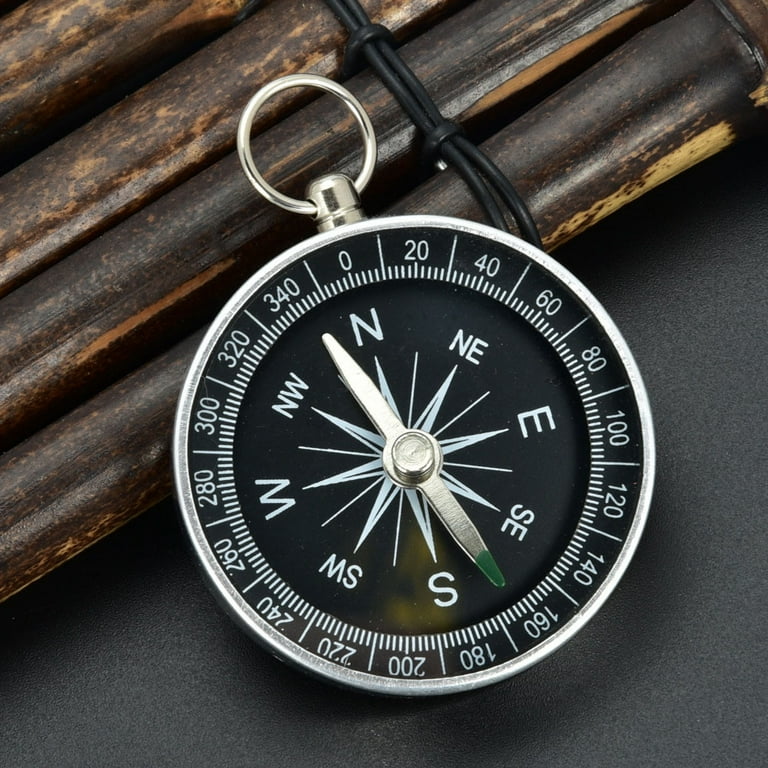


When technology fails, low-tech tools save lives.
Helpful items include:
-
Compass and physical maps
-
Signal mirror
-
Emergency whistle
These tools help you orient yourself and signal for help when needed.
Shelter & Cordage
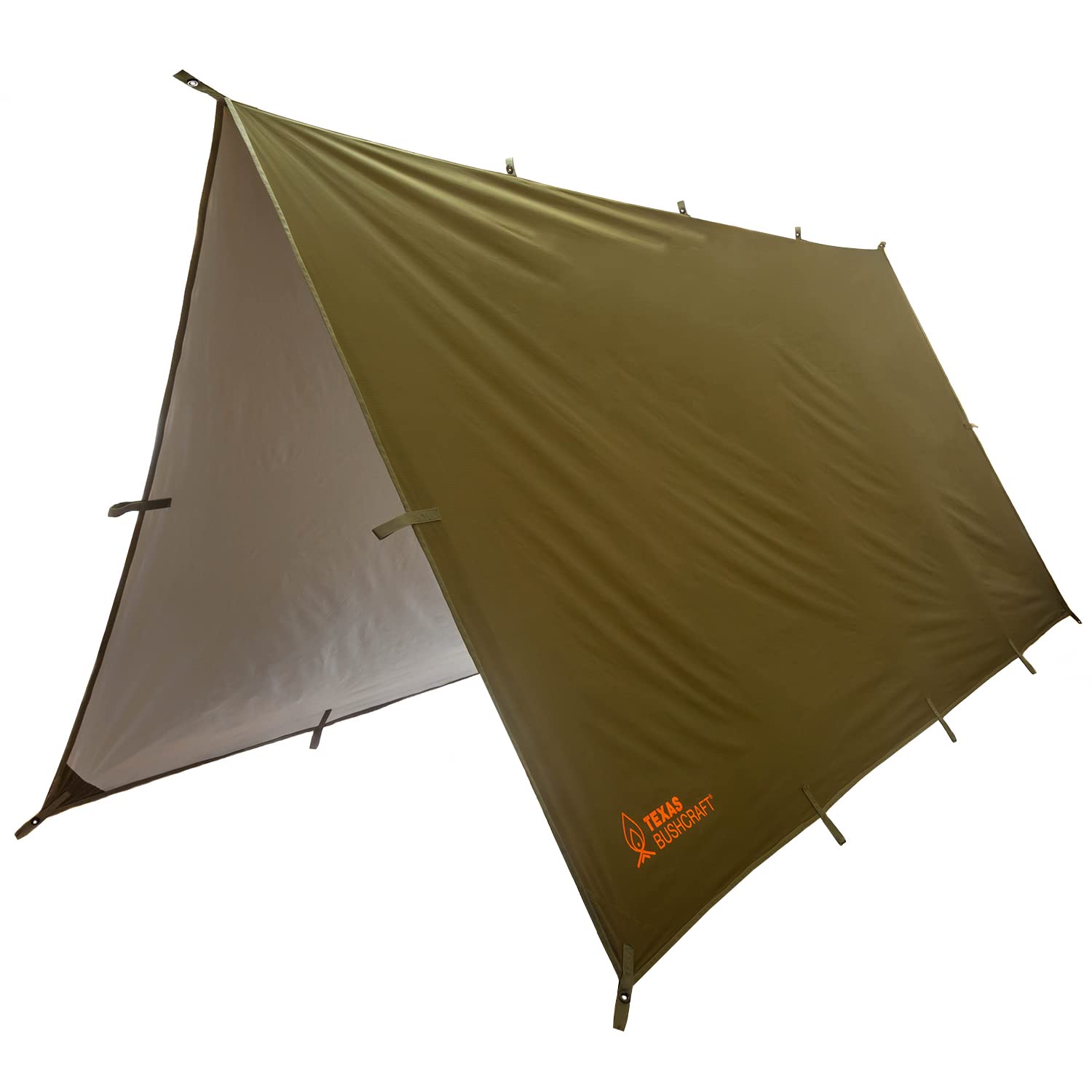


Exposure is one of the fastest ways emergencies escalate.
Essential shelter tools:
-
Emergency tarp or bivy
-
Paracord or strong cordage
-
Stakes or tie-downs
Even temporary shelter can dramatically reduce heat loss.
Essential vs. Optional Tools (Featured Snippet Target)
Every survival tool kit should include:
-
Cutting tool
-
Fire-starting tool
-
Water purification method
-
Light source
-
Basic first aid
Optional tools depend on environment and risk level.
How to Choose the Right Survival Tool Kit
Ask yourself:
-
Where will I use it?
-
What emergencies are most likely?
-
Can I confidently use every tool?
Preparedness is about capability, not fear.
